
Call : +8613928771510, +8615218851418
 Send Inquiry
 Send Inquiry
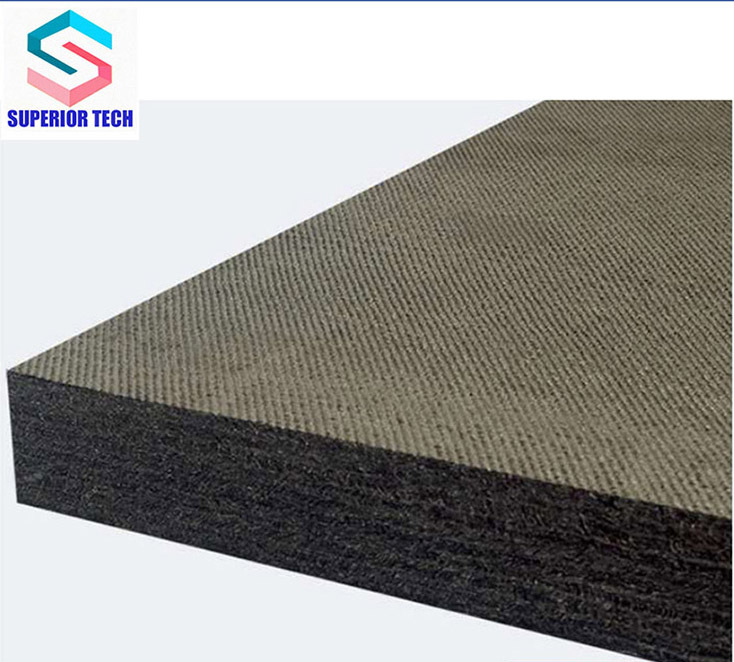
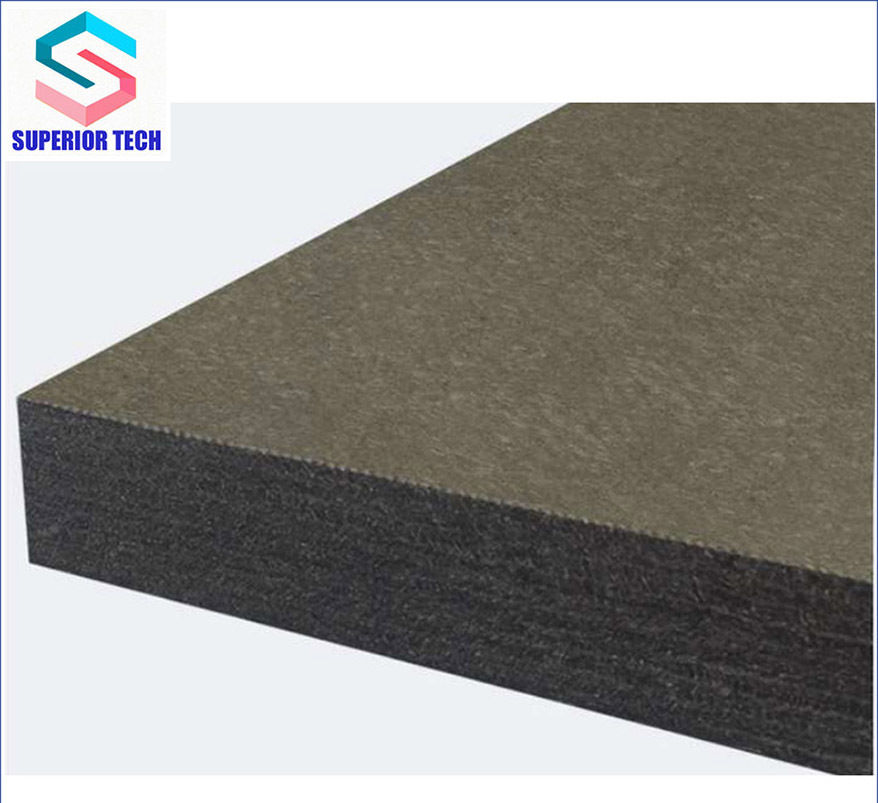
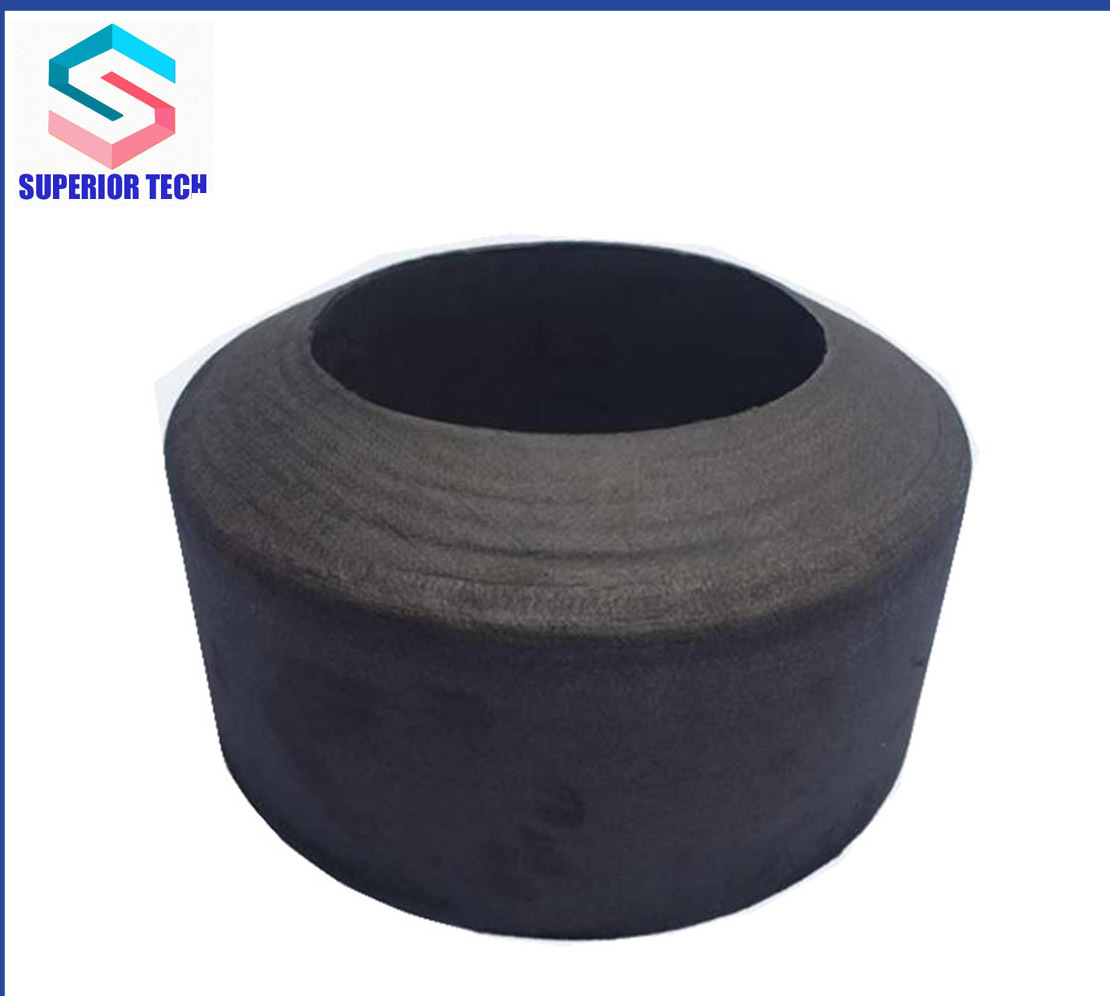
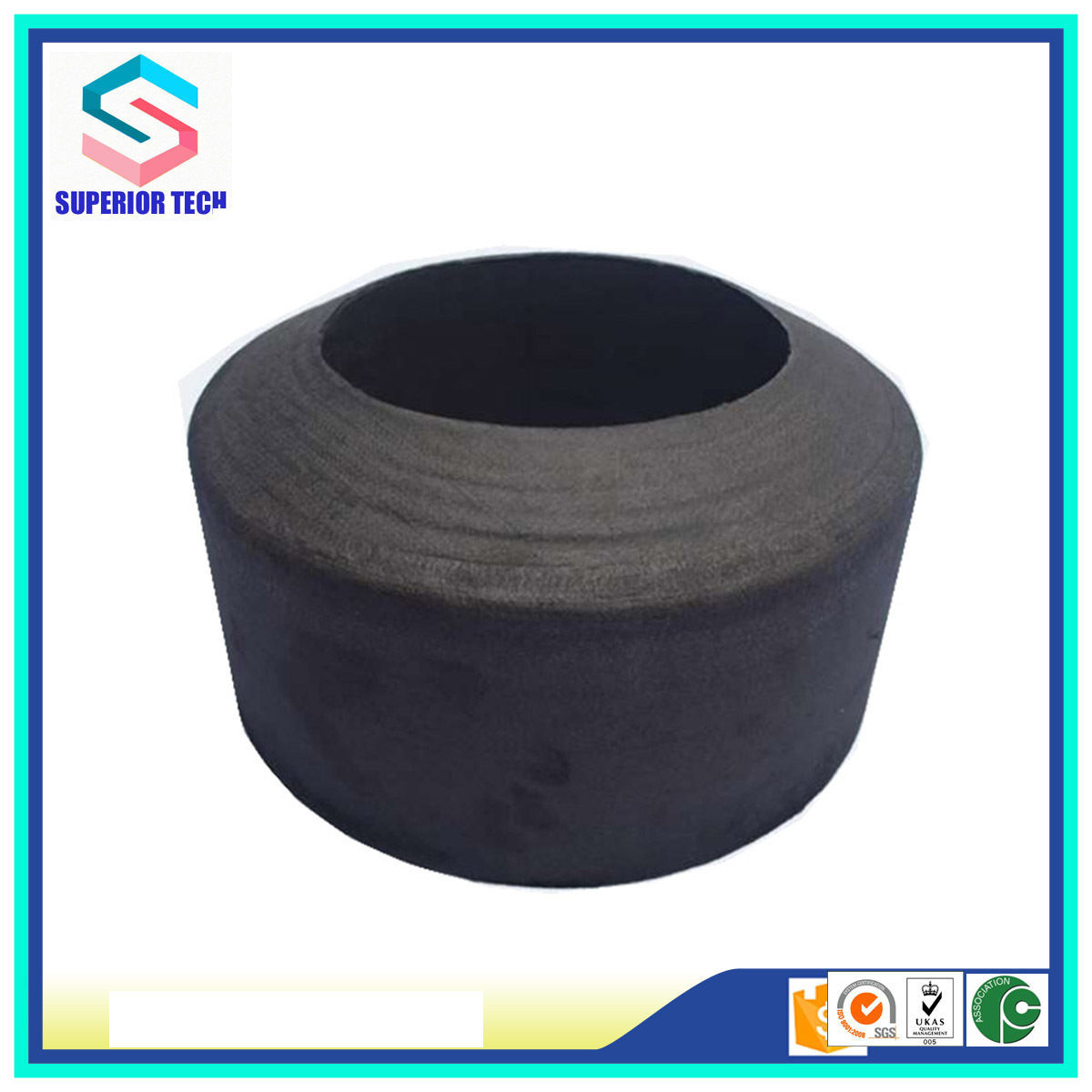
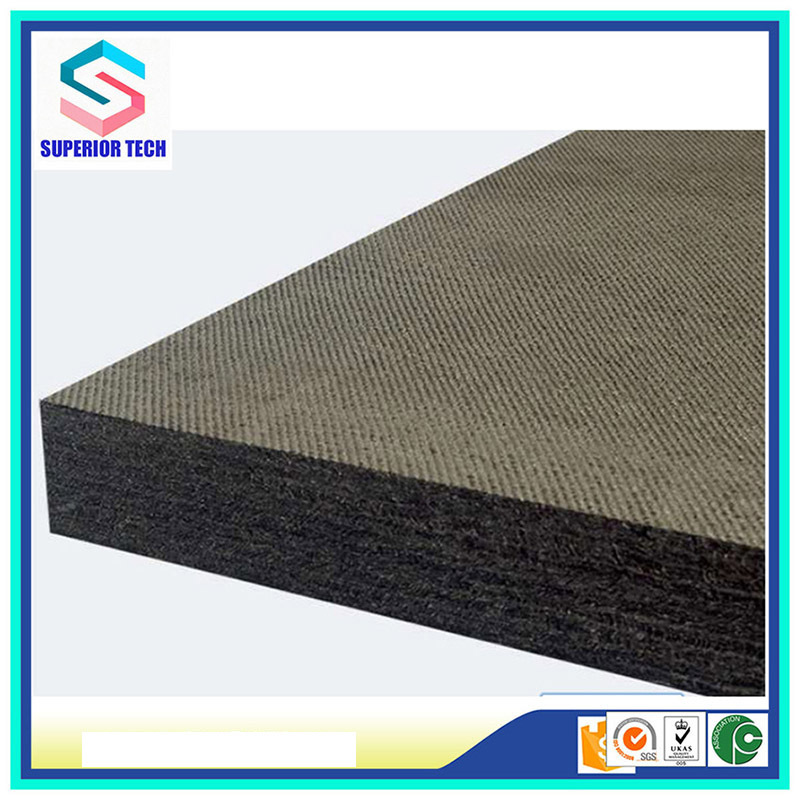
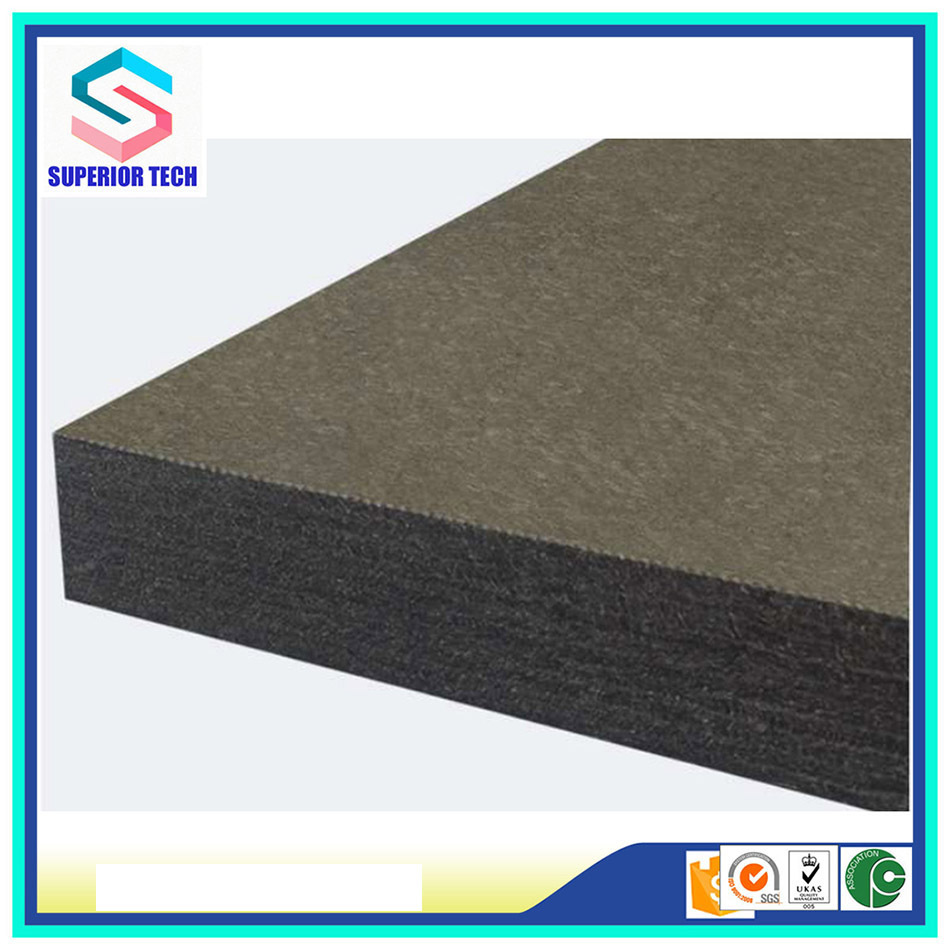
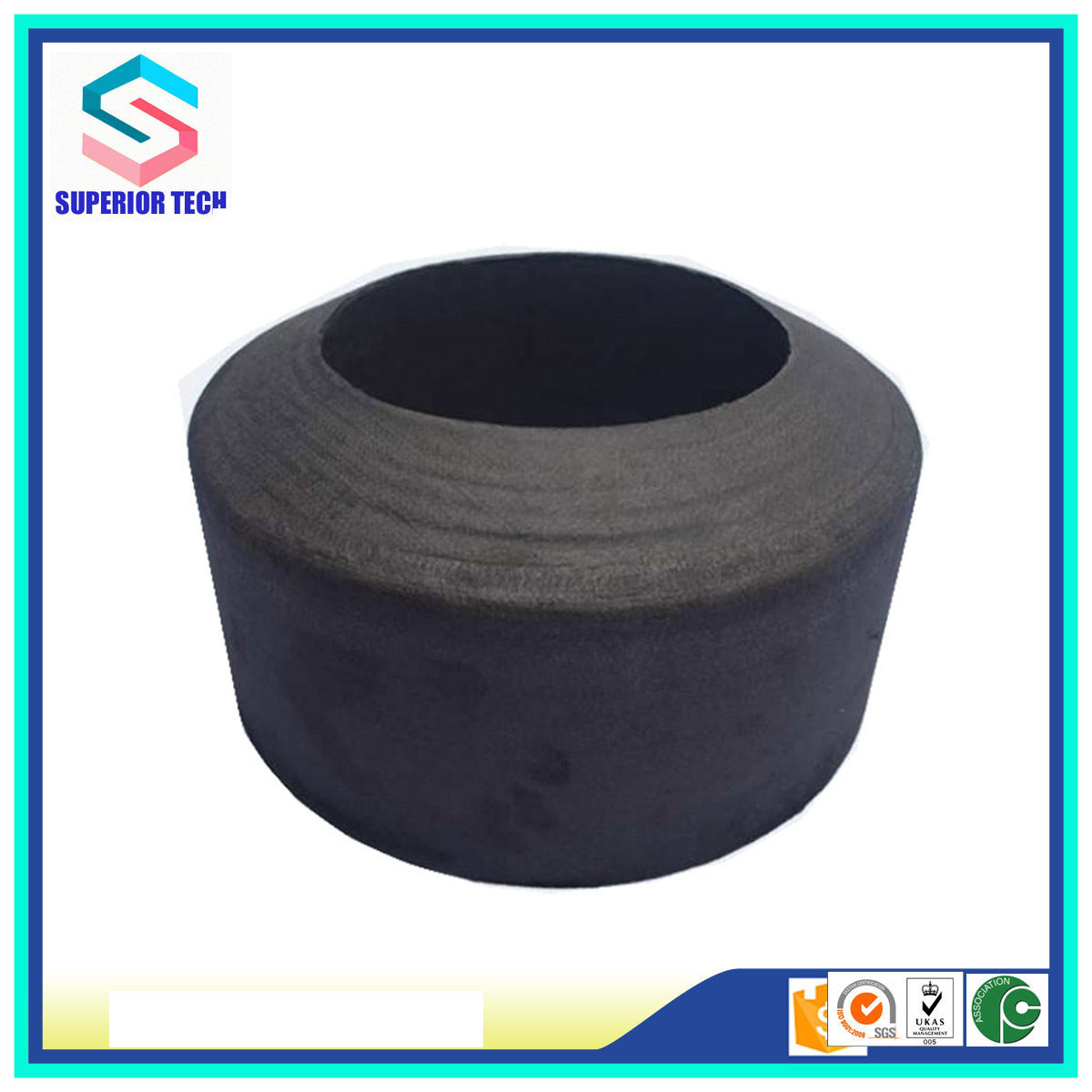
Solid Carbon Fiber
MOQ : 10 Pieces
Solid Carbon Fiber Specification
- Coating Material
- No external coating / Raw Carbon Fiber Finish
- Density
- 1.6 Gram per cubic centimeter(g/cm3)
- Pattern
- Plain
- Width
- Standard diameters or as per requirement
- Feature
- High Strength, Lightweight, Corrosion Resistance
- Temperature Resistance
- Up to 180C
- Material
- Solid Carbon Fiber
- Texture
- Smooth
- Style
- Plain
- Technique
- Pultruded / Moulded
- Theme
- Industrial / Engineering
- Type
- Solid Rod
- Thickness
- Available from 1mm to 20mm
- Color
- Black
- Use
- Industrial Parts, Aerospace, Robotics, Model Making, Structural Reinforcement
- Length
- Customizable (commonly 500mm, 1000mm)
- Electrical Conductivity
- High
- Shape
- Rod / Bar
- Tensile Strength
- 3500 MPa
- Water Absorption
- 0.1%
- Compressive Strength
- > 1200 MPa
- Surface Finish
- Glossy / Matte
- Machinability
- Can be sanded or cut with special tools
- Young's Modulus\
- 230 GPa
Solid Carbon Fiber Trade Information
- Minimum Order Quantity
- 10 Pieces
- FOB Port
- HUANGPU
- Payment Terms
- Telegraphic Transfer (T/T)
- Supply Ability
- 1000 Pieces Per Month
- Delivery Time
- 30 Days
- Sample Policy
- Sample costs shipping and taxes has to be paid by the buyer
- Main Export Market(s)
- Australia, South America, Middle East, Africa, Central America, Western Europe, Asia, Eastern Europe, North America
- Certifications
- SGS
About Solid Carbon Fiber
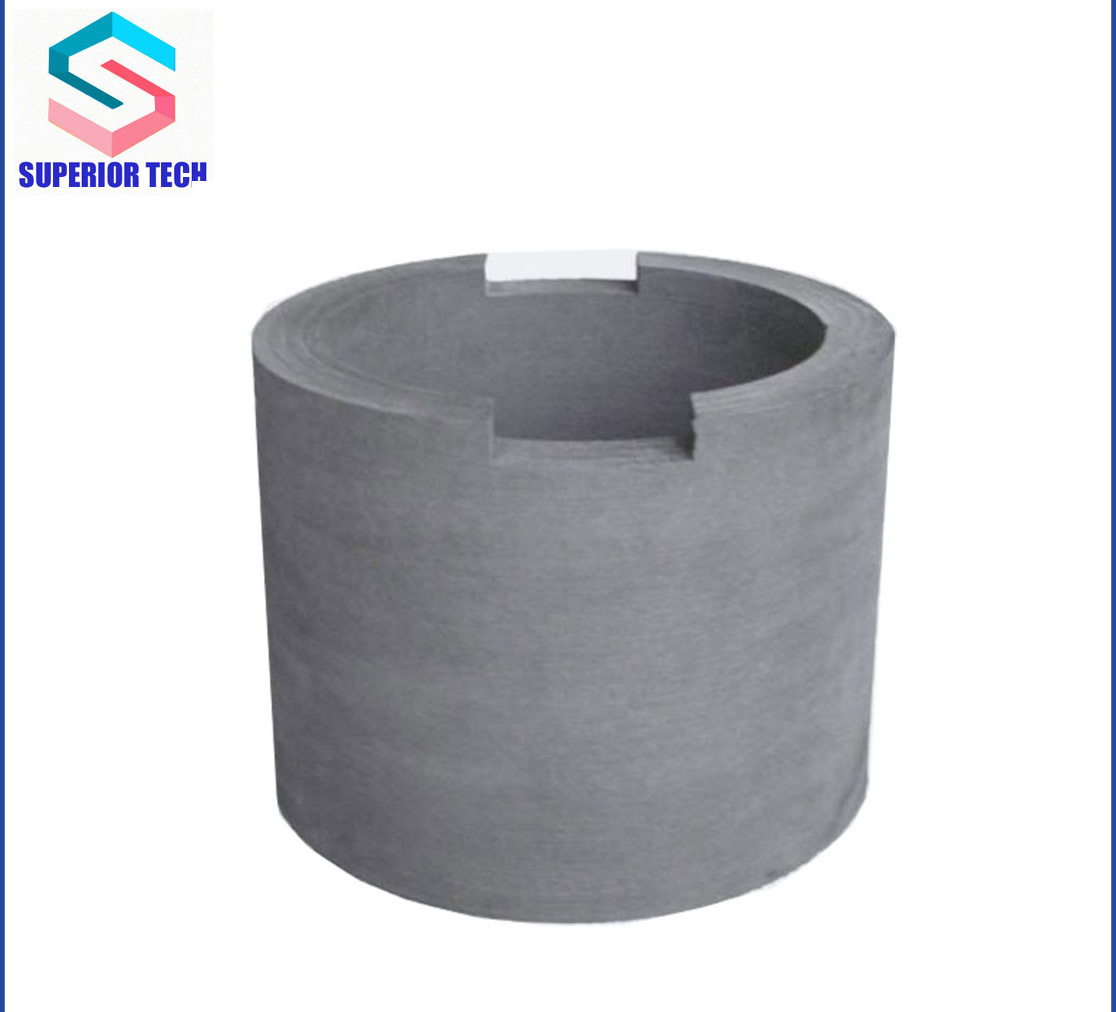
Cylinders are widely used in insulation materials such as monocrystalline silicon, polysilicon, compound semiconductors, optical solders, and other high-temperature crystal growth furnaces.
Advantages:
- Large size flat and shaped components have good integrity
- High mechanical strength
- Good electrical conductivity and heat insulation
- High electrical load force
- Outstanding thermal stability
- High purity, low impurity content
- Excellent shock resistance and corrosion resistance
- Easy to operate and easier to maintain
- Crystal growth furnaces for silicon, etc.
- Sintering furnaces for carbon, ceramics, cemented carbide, etc.
- Brazing furnaces for silver, copper, SUS, nickel, etc.
- Various vacuum evaporation furnaces for aluminum etc.
- Crystal growth furnaces for silicon, etc.
- Sintering furnaces for carbon, ceramics, cemented carbide, etc.
- Brazing furnaces for silver, copper, SUS, nickel, etc.
Superior Mechanical Performance
Engineered for industrial and aerospace use, these solid carbon fiber rods provide outstanding tensile and compressive strengths, allowing them to withstand strenuous conditions without significant deformation. Their high stiffness and lightweight nature enable innovative designs in robotics, model making, and structural reinforcement.
Versatile and Customizable
Available in a range of diameters and readily customizable lengths, these rods can be tailored to specific project requirements. Whether you require large-scale reinforcement or precise model components, we supply and export according to your specifications, ensuring a perfect fit for any application.
Reliable and Durable in Harsh Environments
With high electrical conductivity, minimal water absorption (0.1%), and resistance to corrosion and temperatures up to 180C, our solid carbon fiber rods excel even in challenging environments. The raw carbon fiber finish provides durability without the need for additional coatings.
FAQs of Solid Carbon Fiber:
Q: How can solid carbon fiber rods be machined or processed for custom applications?
A: Solid carbon fiber rods can be accurately sanded or cut to size using special tools designed for composites, such as diamond-coated or carbide-tipped saw blades. This allows them to be precisely shaped for industrial, aerospace, or model-building requirements without compromising their structural integrity.Q: What are the main benefits of using solid carbon fiber rods in industrial projects?
A: Solid carbon fiber rods offer exceptional strength-to-weight ratios, high corrosion and temperature resistance (up to 180C), and excellent durability. These properties make them ideal for applications requiring reliable performance, lightness, and long service life, such as structural reinforcement, robotics, and aerospace manufacturing.Q: When should I choose a pultruded versus a moulded carbon fiber rod?
A: Pultruded rods are optimal for straight, long sections where consistent mechanical properties along the length are required, making them suitable for structural uses. Moulded rods, on the other hand, are favored when precise shapes or surface finishes are necessary, accommodating more complex engineering designs.Q: Where are your solid carbon fiber rods typically used, and who are your main clients?
A: Our rods find applications in industrial parts, aerospace assemblies, robotic systems, model making, and structural reinforcement. We serve a wide range of industries as distributors, exporters, manufacturers, suppliers, and traders, primarily across India and global engineering markets.Q: What is the process for ordering custom-sized solid carbon fiber rods?
A: To order custom-sized rods, clients can specify desired length (commonly 500mm or 1000mm, or tailored) and diameter (1mm20mm) along with any preferred surface finish (glossy or matte) or technique (pultruded or moulded). Our team will guide you from specification to delivery, ensuring fast and precise fulfillment.Q: How does the high electrical conductivity of these rods benefit industrial applications?
A: High electrical conductivity allows solid carbon fiber rods to serve as functional components in electronic, robotic, or aerospace assemblies where static discharge or signal transmission is relevant, adding functional versatility alongside mechanical advantages.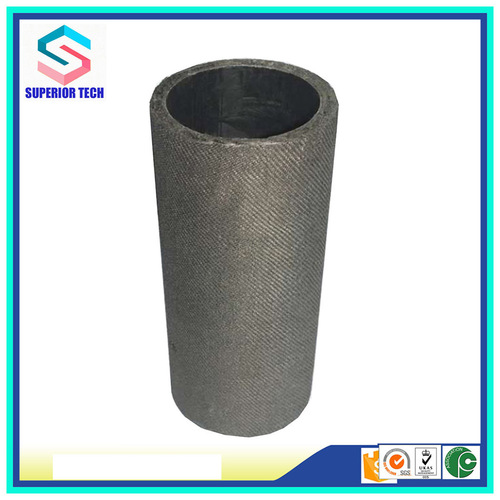
Tell us about your requirement

Price:
Quantity
Select Unit
- 50
- 100
- 200
- 250
- 500
- 1000+
Additional detail
Mobile number
Email

More Products in Carbon Fiber Felt for Wafer Growing Furnace Category
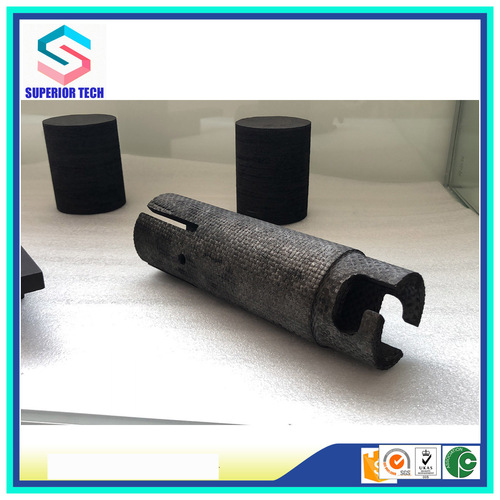
Graphite furnace material
Price Range 100.00 - 200.00 USD ($) / Set
Minimum Order Quantity : 1 Set
Use : Lining and structural material for electric arc furnaces, induction furnaces, and other hightemperature environments
Material : Other, Graphite
Color : Grayish Black
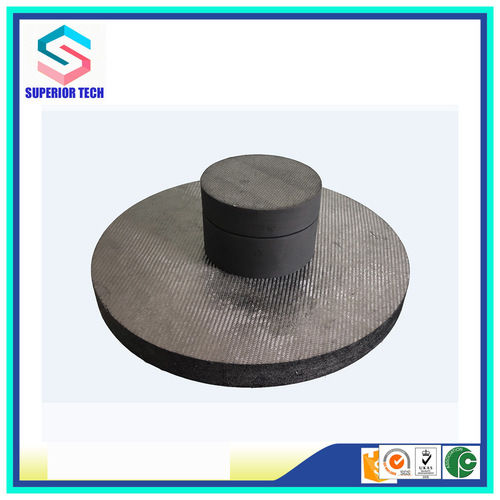
Thermal insulation for high temperature applications
Price 105 USD ($)
Minimum Order Quantity : 10 Kilograms
Use : Furnace insulation, kiln linings, boiler insulation, hightemperature pipe insulation
Material : Other, Ceramic Fiber
Color : White
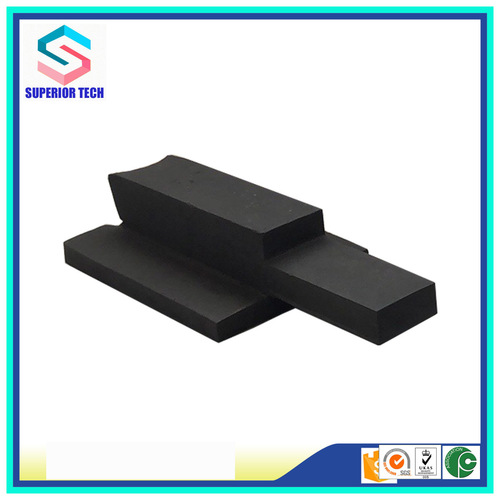
Thermal insulation for high temperature furnace
Price Range 105.00 - 150.00 USD ($) / Kilograms
Minimum Order Quantity : 10 Kilograms


Contact Details
- Room 101 Of Building 8, West 3 Street Of Zhuzhai New District Xiaolong Village, Shiji Town, Panyu, Guangzhou - 511450, Guangdong, China
- Phone :86-20-34559683
 Send Inquiry
 |
GUANGZHOU SUPERIOR TECH CO. LTD.
All Rights Reserved.(Terms of Use) Developed and Managed by Infocom Network Private Limited. |
