
Call : +8613928771510, +8615218851418
 Send Inquiry
 Send Inquiry
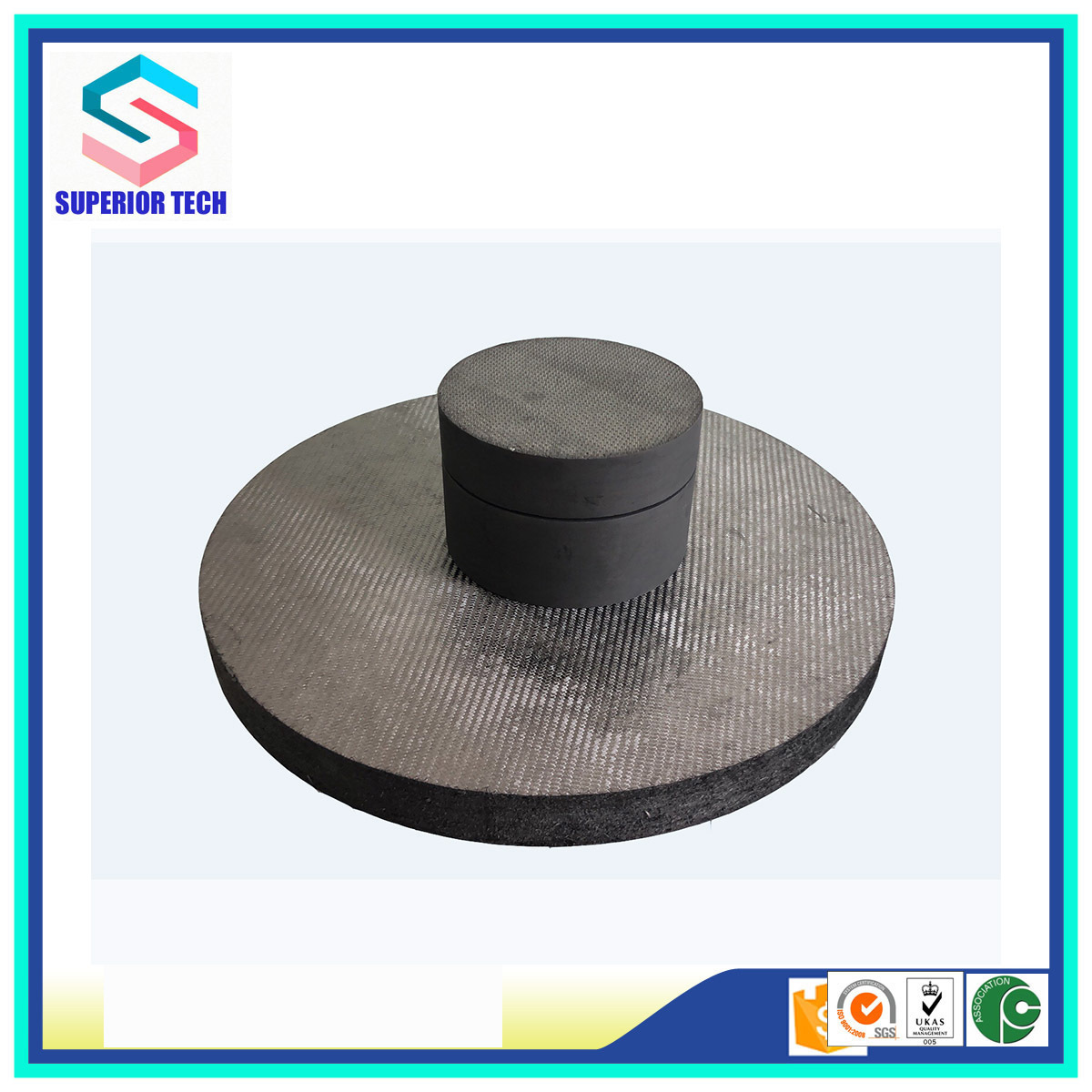
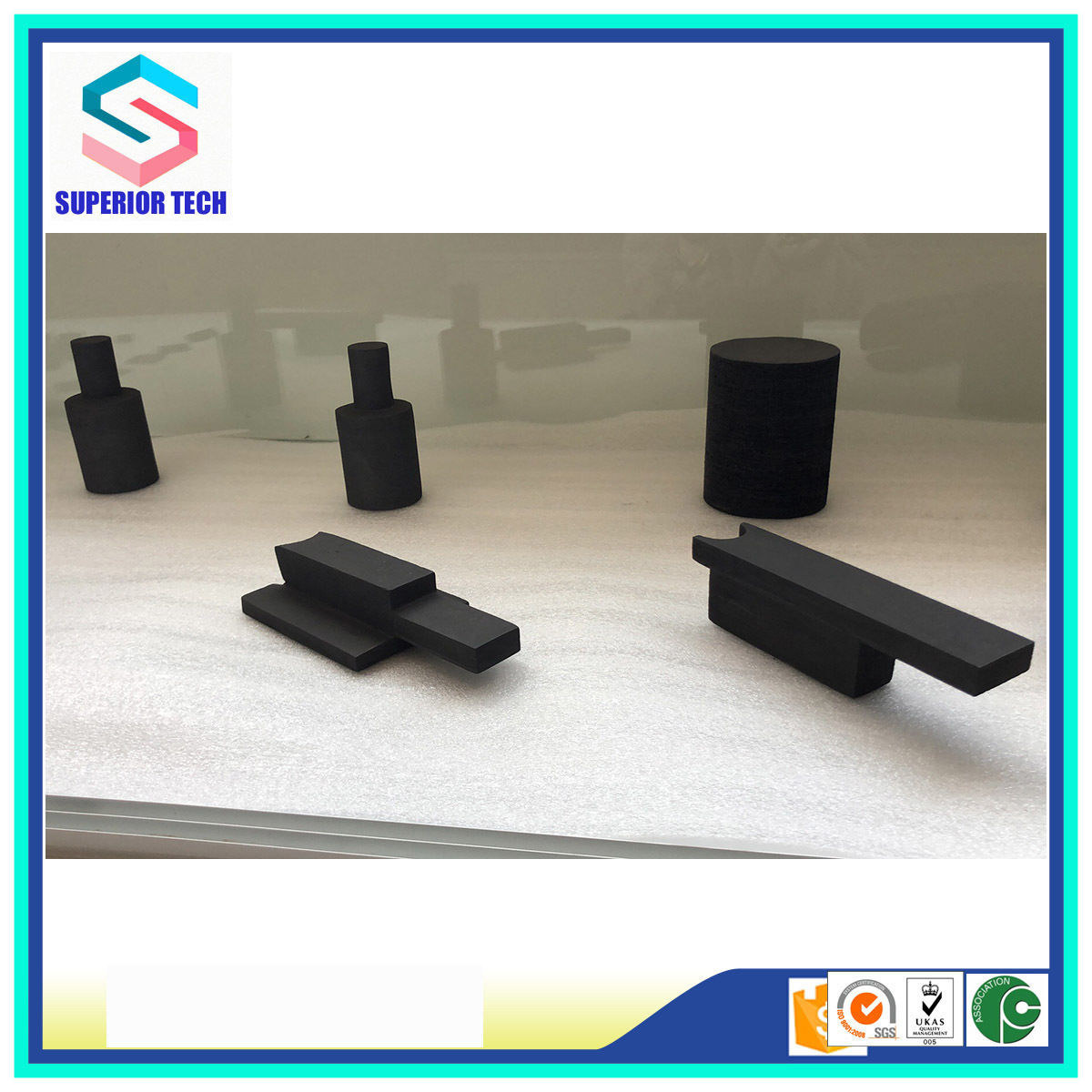
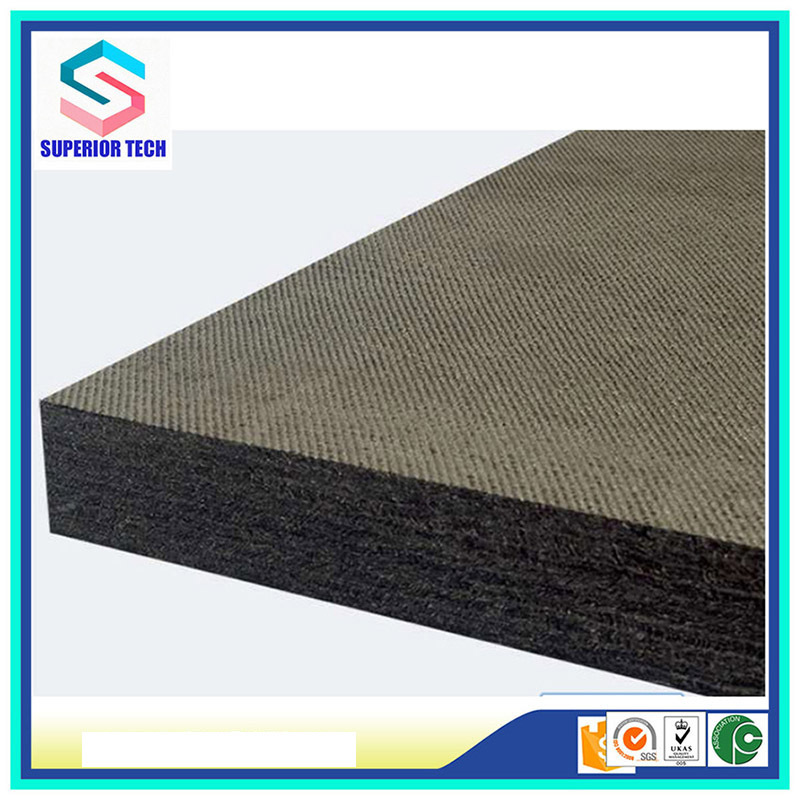
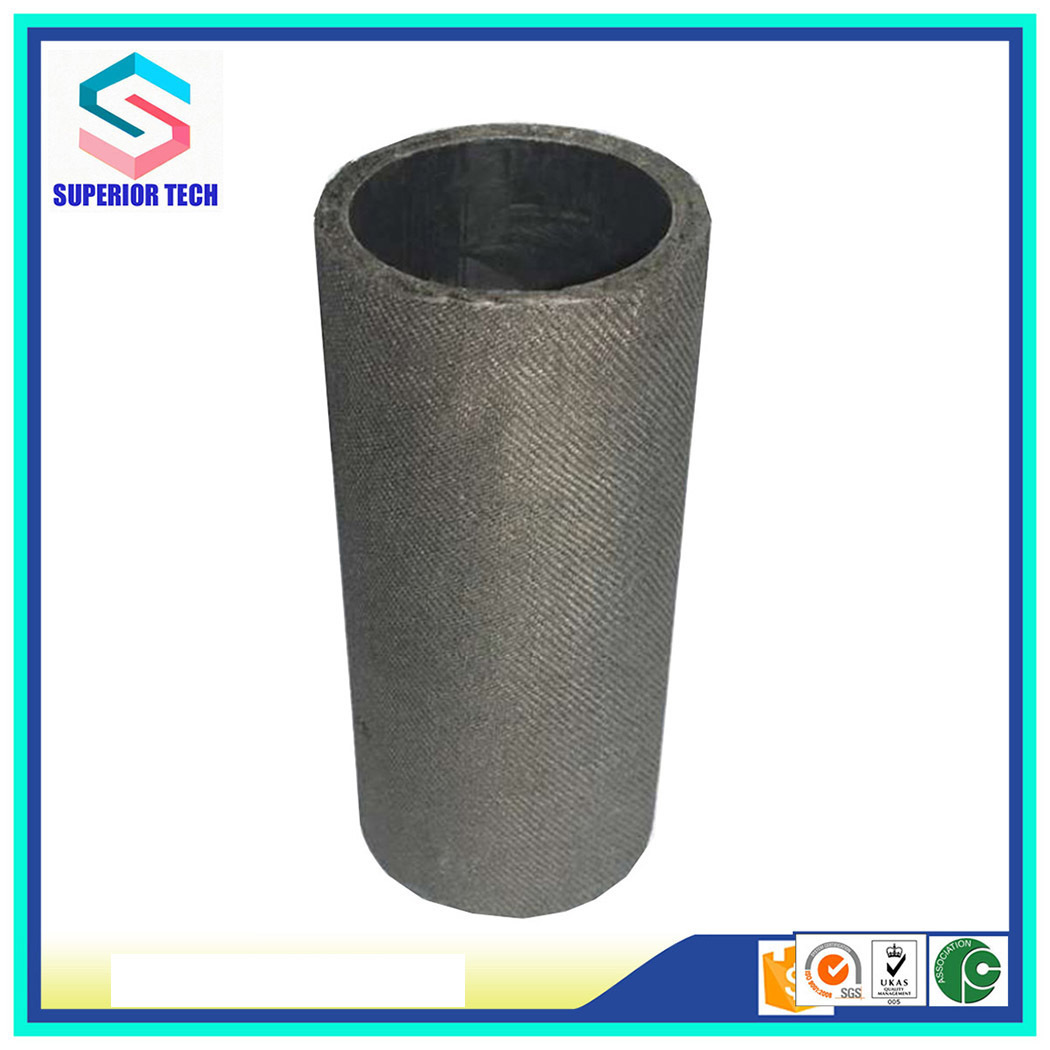
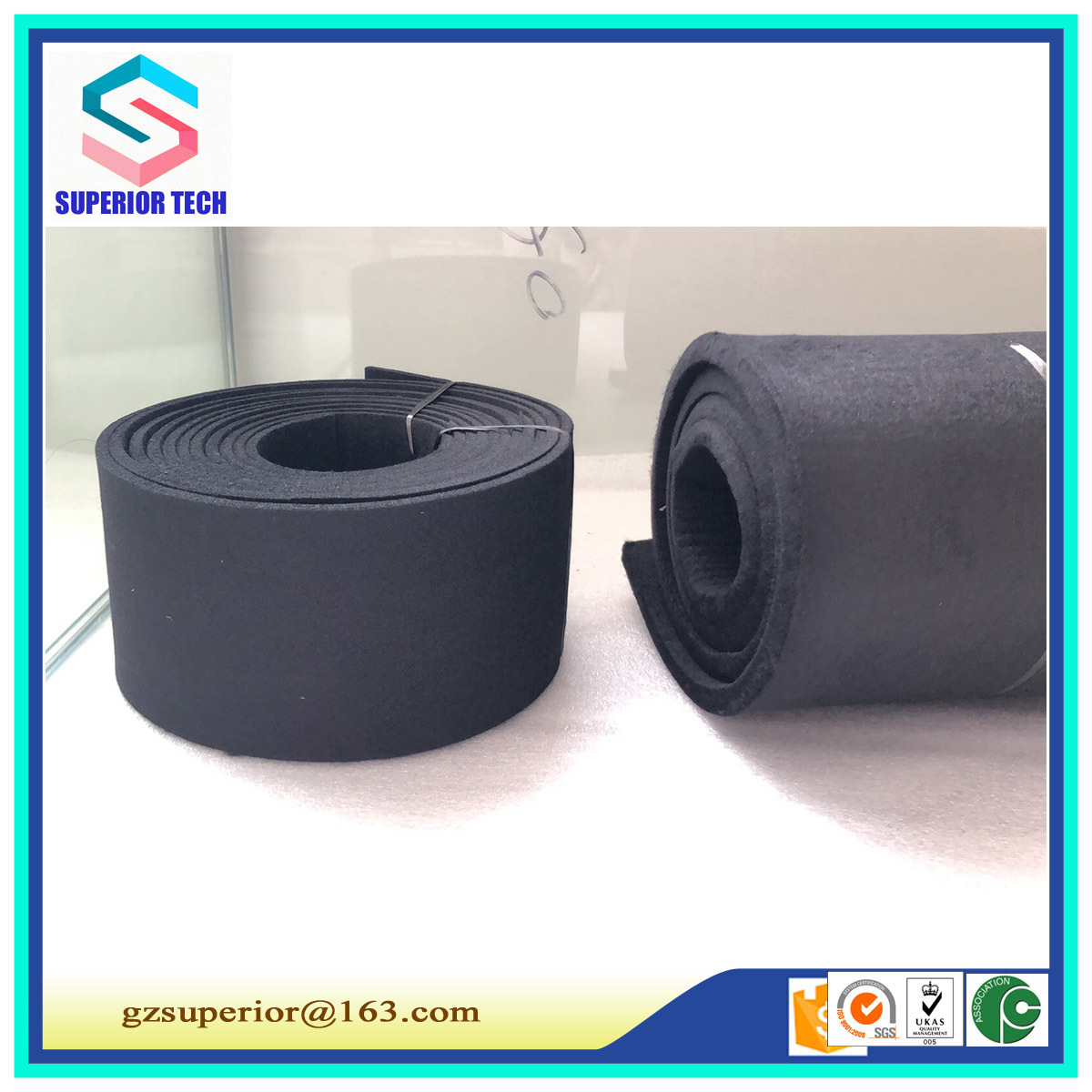
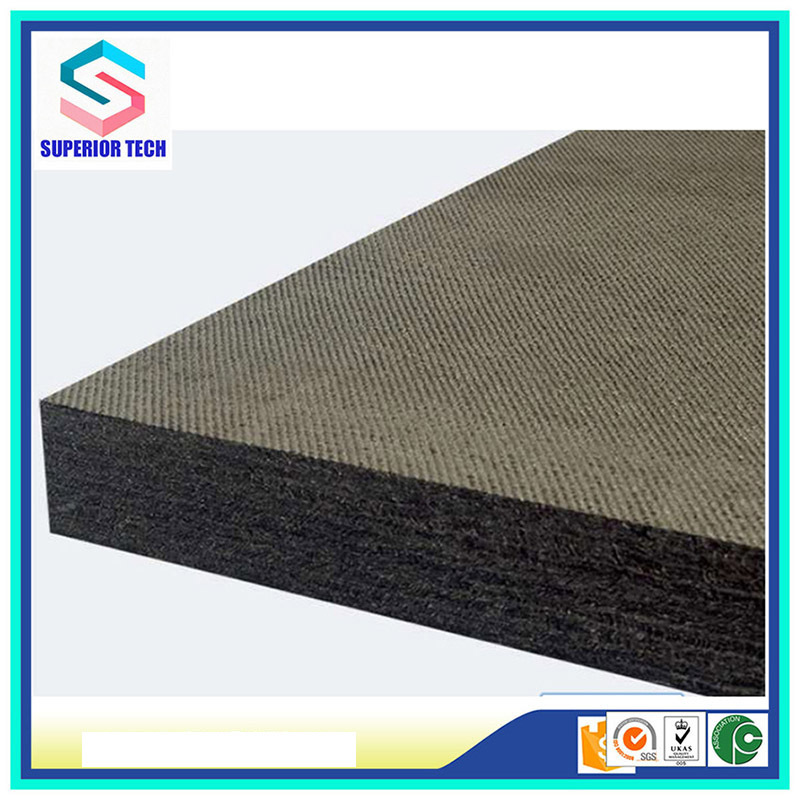
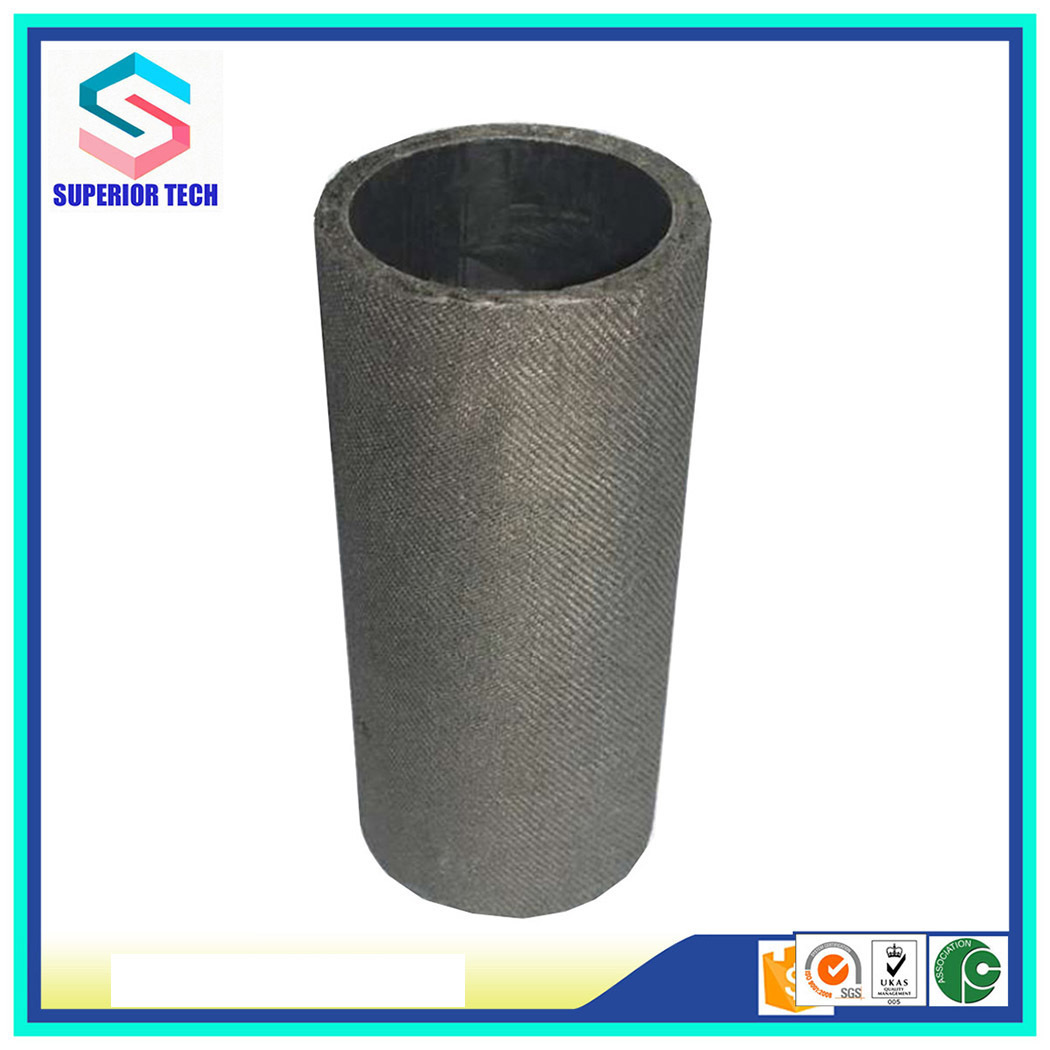
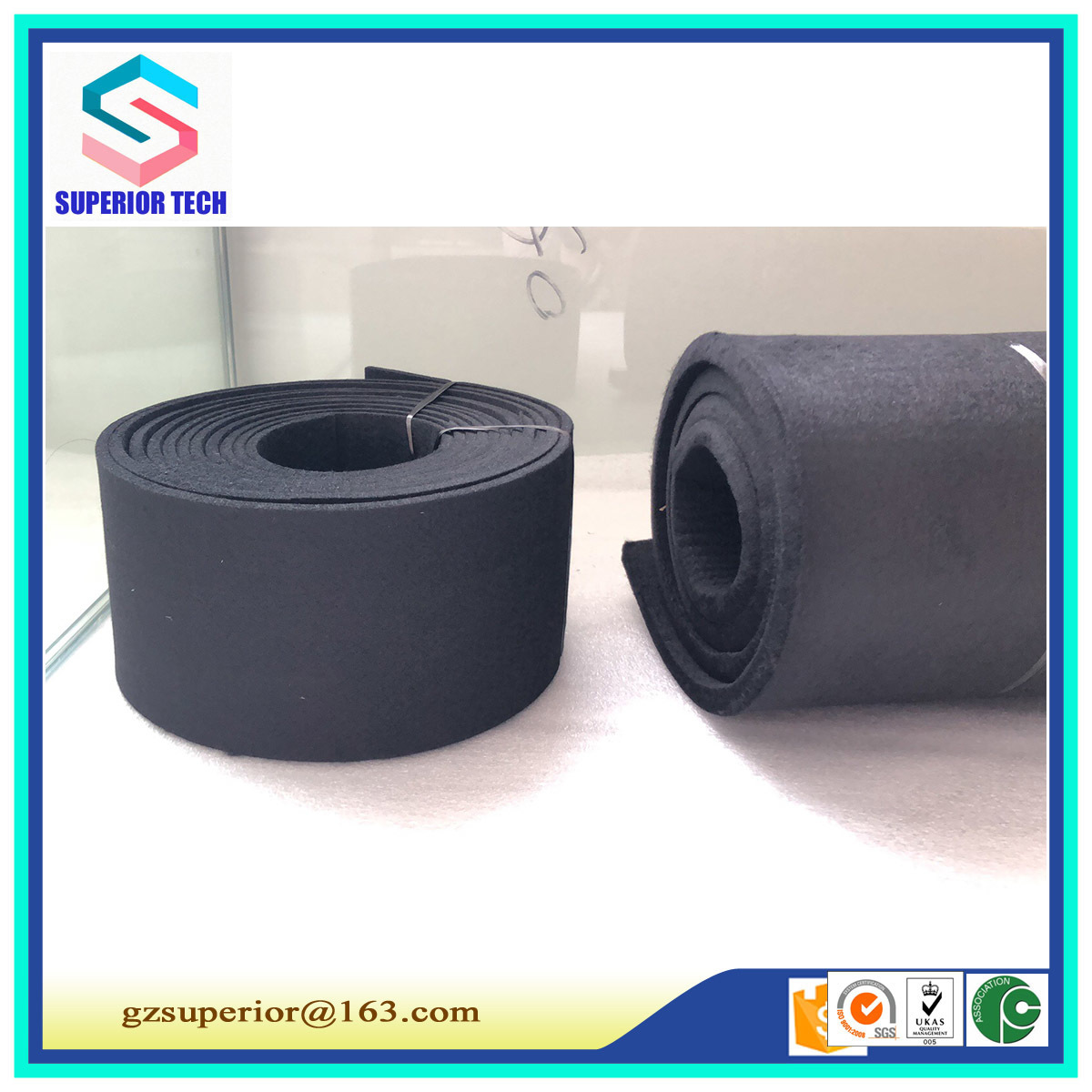
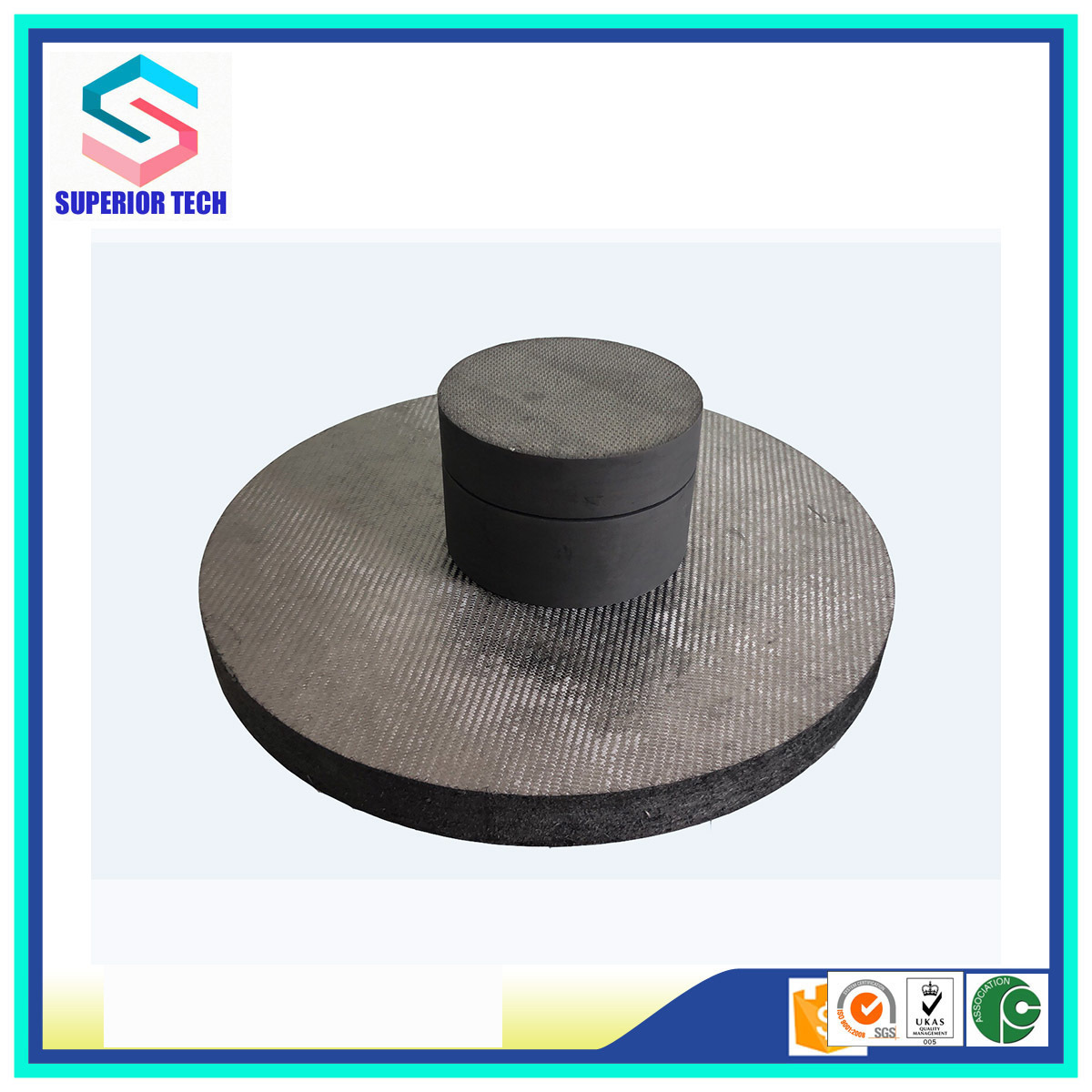
Graphite furnace material
MOQ : 1 Set
Graphite furnace material Specification
- Pattern
- Solid / Plain
- Width
- Customizable as per client requirement
- Density
- 1.92 Gram per cubic centimeter(g/cm3)
- Temperature Resistance
- Up to 3000C
- Coating Material
- Can be supplied with or without anti-oxidation coating
- Feature
- High thermal conductivity, excellent thermal shock resistance, low thermal expansion, corrosion resistance
- Material
- Graphite
- Texture
- Fine-grained
- Style
- Industrial
- Technique
- Machined / Molded
- Theme
- High Temperature Processing
- Type
- Furnace Material
- Thickness
- Customizable (commonly available 5mm - 50mm)
- Color
- Grayish Black
- Use
- Lining and structural material for electric arc furnaces, induction furnaces, and other high-temperature environments
- Ash Content
- Less than 0.1% (High Purity Grade)
- Compressive Strength
- 60 MPa
- Surface Finish
- Smooth / Machined
- Melting Point
- > 3500C (Sublimes)
- Porosity
- 8 15%
- Moisture Content
- 0.5%
- Electrical Resistivity
- 10 20 m
- Flexural Strength
- 24 MPa
- Shape Options
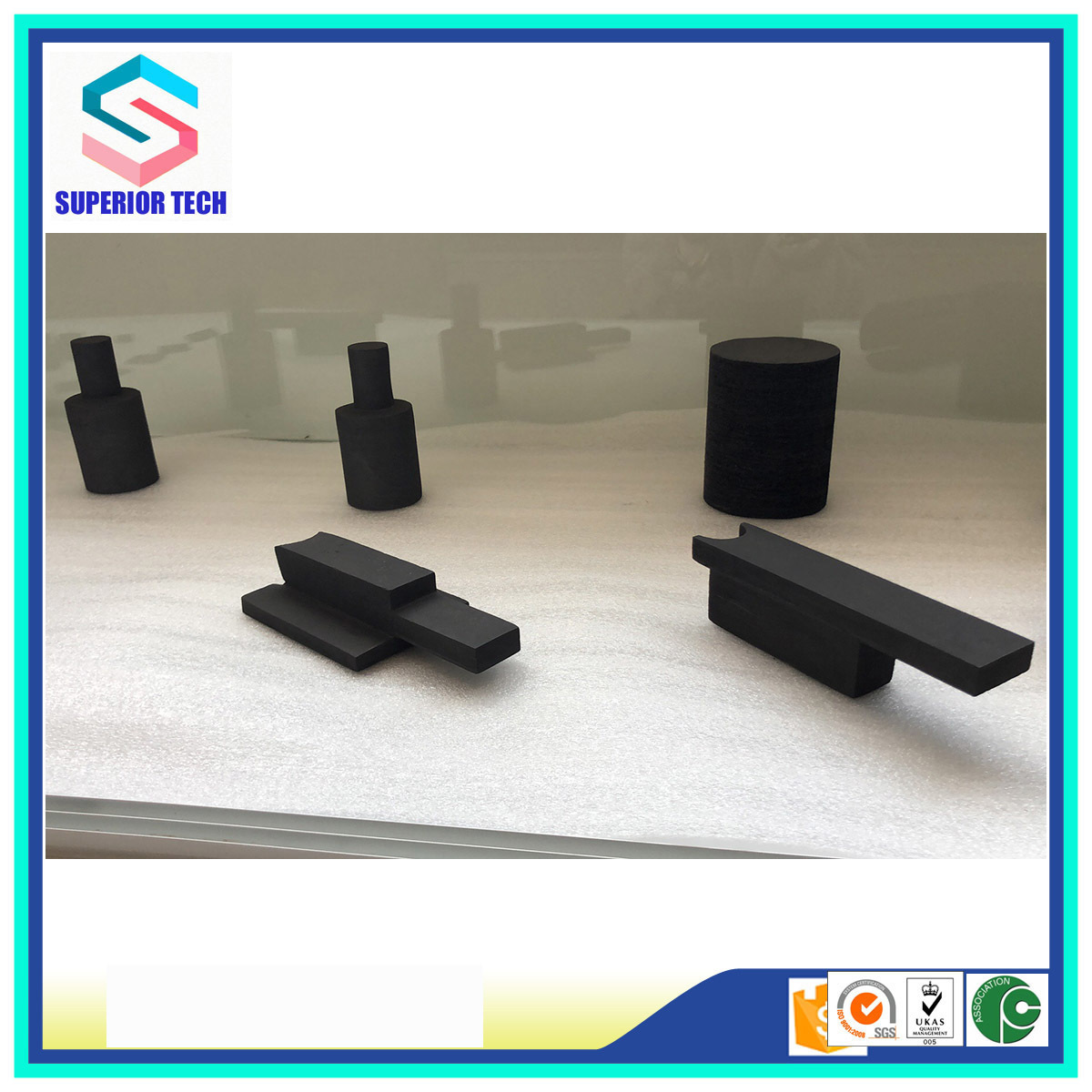
- Blocks, Plates, Rods, Custom Shapes
- Application
- Vacuum furnace, metallurgy, glass manufacturing, heat treatment, semiconductor industries
- Grade
- High Purity / Isostatic / Extruded available
Graphite furnace material Trade Information
- Minimum Order Quantity
- 1 Set
- FOB Port
- GUANGZHOU
- Payment Terms
- Telegraphic Transfer (T/T), Western Union
- Supply Ability
- 100000 Sets, , Per Week
- Delivery Time
- 7-10 Days
- Sample Available
- Yes
- Sample Policy
- Within a certain price range free samples are available
- Main Export Market(s)
- Australia, North America, South America, Eastern Europe, Western Europe, Middle East, Africa, Asia, Central America
- Certifications
- SGS PATENTS
About Graphite furnace material
Carbon-carbon composite structural materials are particularly suitable for use in high temperature furnaces or chemical processing technology environments in an inert atmosphere or vacuum environment.
Adopting advanced 3D structural panels, through high-quality processes and reliable diamond tooling equipment to ensure its structural strength in the working environment.
Material properties
| Density g/cm3 | 1.5 |
| Flexural strength Mpa | 200 |
| Shear strength Mpa | 8 |
| Elastic Modulus Mpa | 70 |
| Ash content (Ordinary) ppm | < 400 |
| Ash content(Purified) ppm | < 10 |
| Thermal conductivity (2000 )W/m.k | 8 |
Engineered for Extreme Temperatures
Designed for use in industrial environments, this graphite furnace material withstands temperatures exceeding 3000C, resisting sublimation and maintaining strength even in the harshest conditions encountered in metallurgy, vacuum furnace operations, and glass manufacturing. Its low thermal expansion and high thermal shock resistance ensure long-term structural integrity.
Versatile Shapes and Customization
Available in blocks, plates, rods, and custom-designed shapes, this material can be tailored to specific client requirements. With thicknesses typically between 5mm and 50mm, widths customizable, and surface finishes ranging from smooth to precision-machined, it easily adapts to diverse industrial setups.
Exceptional Purity and Performance
With ash content kept under 0.1% for high-purity grades, this graphite material ensures top-notch chemical stability and minimal contamination in sensitive applications like semiconductor manufacturing. Its high compressive and flexural strength, combined with low porosity and moisture content, translate into reliability and longevity.
FAQs of Graphite furnace material:
Q: How is this graphite furnace material processed for industrial use?
A: The material is refined using advanced techniques like isostatic pressing, extrusion, or mold-based shaping, followed by precision machining to ensure uniform texture and accurate dimensions needed for demanding furnace and high-temperature applications.Q: What benefits does the high purity of this graphite material offer?
A: High purity graphite, with ash content less than 0.1%, minimizes the risk of chemical contamination, supporting consistent performance and reliability in applications such as the semiconductor and heat treatment industries where purity is critical.Q: Where can this graphite furnace material be applied?
A: It is used in a diverse range of industries, including vacuum furnaces, metallurgy, glass production, heat treatment, and semiconductor manufacturing, mainly as lining and structural components for electric arc and induction furnaces.Q: When should I consider choosing isostatic or extruded grades?
A: Isostatic graphite is ideal for components requiring uniformity and high mechanical strength, making it preferable for precision thermal processing. Extruded grades are suited for applications where larger shapes or cost efficiency is prioritized.Q: What customization options are available for shapes and sizes?
A: You can order this graphite in blocks, plates, rods, or fully custom designs, with dimensions such as thickness (5mm50mm) and width adaptable as per your specifications. Surface can be supplied smooth or with a machined finish.Q: How does the materials thermal conductivity and shock resistance improve furnace operations?
A: High thermal conductivity ensures efficient heat transfer within the furnace, while superior thermal shock resistance helps the material withstand rapid temperature fluctuations without physical degradation, extending its service life.Q: Is an anti-oxidation coating necessary for this material?
A: Although the base material is corrosion-resistant, an anti-oxidation coating can be applied for enhanced durability in aggressive or oxygen-rich environments, further protecting components in high-temperature operations.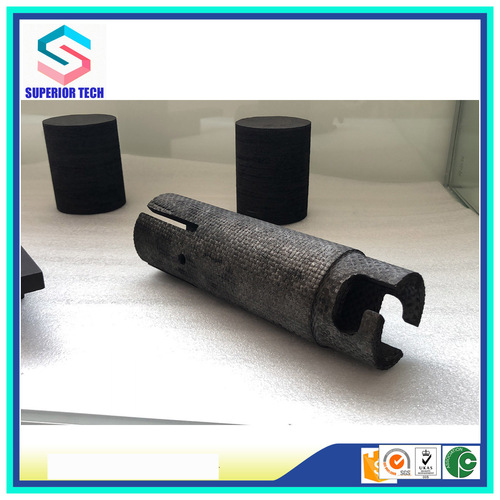
Tell us about your requirement

Price:
Quantity
Select Unit
- 50
- 100
- 200
- 250
- 500
- 1000+
Additional detail
Mobile number
Email

More Products in Carbon Fiber Felt for Wafer Growing Furnace Category
Thermal insulation for high temperature applications
Price 105 USD ($)
Minimum Order Quantity : 10 Kilograms
Pattern : Plain
Width : 610 mm
Style : Other, Needled blanket
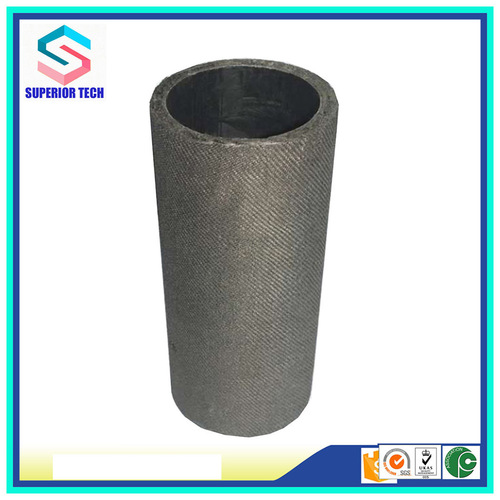
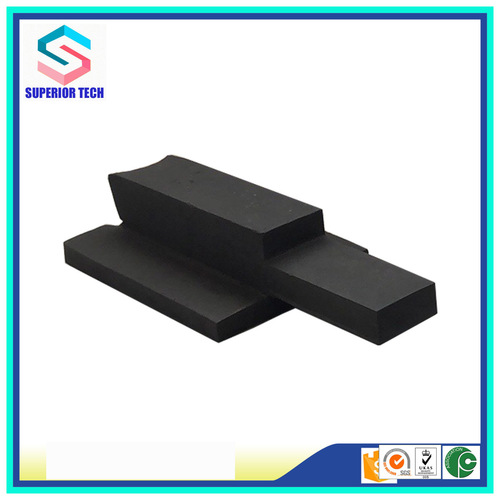
Solid Carbon Fiber
Price Range 100.00 - 500.00 USD ($) / Piece
Minimum Order Quantity : 10 Pieces
Pattern : Plain
Width : Standard diameters or as per requirement
Style : Plain
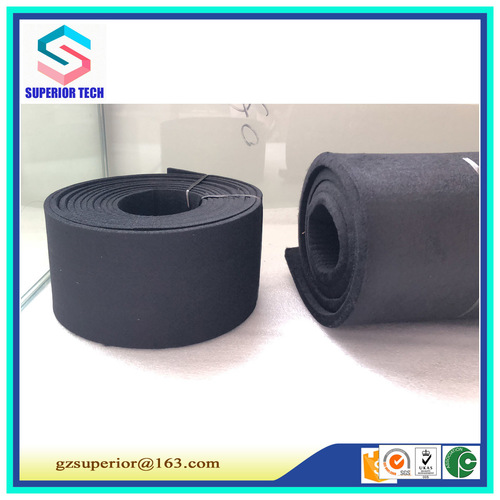
Thermal insulation for high temperature furnace
Price Range 105.00 - 150.00 USD ($) / Kilograms
Minimum Order Quantity : 10 Kilograms

Contact Details
- Room 101 Of Building 8, West 3 Street Of Zhuzhai New District Xiaolong Village, Shiji Town, Panyu, Guangzhou - 511450, Guangdong, China
- Phone :86-20-34559683
 Send Inquiry
 |
GUANGZHOU SUPERIOR TECH CO. LTD.
All Rights Reserved.(Terms of Use) Developed and Managed by Infocom Network Private Limited. |
