
Call : +8613928771510, +8615218851418
 Send Inquiry
 Send Inquiry
Tape for PCB manufacturing
MOQ : 10 Rolls
Tape for PCB manufacturing Specification
- Flame Resistance Level
- UL94 V-0
- Insulation Resistance
- High
- Voltage Endurance
- High
- Product Type
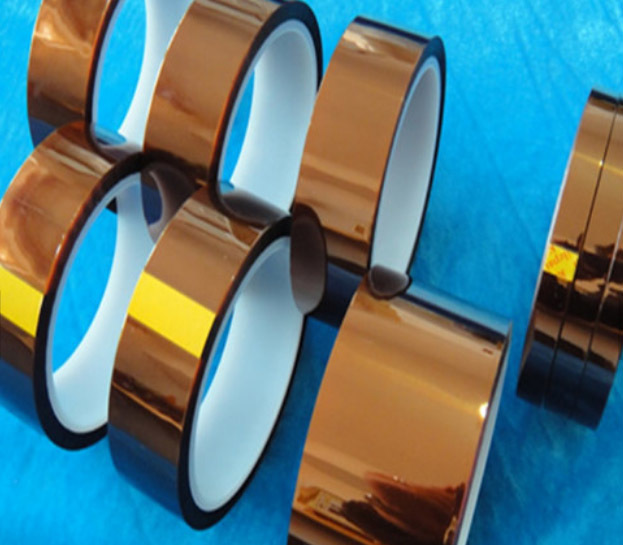
- Tape for PCB Manufacturing
- Base Material
- Polyimide Film
- Color
- Brown
- Panel Size
- Customizable
- Solvent Resistance
- Excellent
- Storage Temperature
- 10-30C
- Shelf Life
- 12 Months
- Application Area
- Wave Soldering, PCB Masking, Coil Insulation
- Width Options
- 6 mm, 12 mm, 24 mm, 50 mm, or as requested
- Peel Strength
- Excellent
- Length Per Roll
- 33 m
- Adhesive Type
- Silicone
- Tensile Strength
- High
- Thickness
- 0.06 mm (typical)
- Temperature Resistance
- Up to 260C
Tape for PCB manufacturing Trade Information
- Minimum Order Quantity
- 10 Rolls
- FOB Port
- HUANGPU
- Supply Ability
- 500000 Rolls Per Month
- Delivery Time
- 7 Days
- Sample Available
- Yes
- Sample Policy
- If order is confirmed we will reimburse the sample cost
- Main Export Market(s)
- Eastern Europe, Central America, Africa, Middle East, South America, Western Europe, Asia, North America, Australia
- Certifications
- SGS ROHS
About Tape for PCB manufacturing
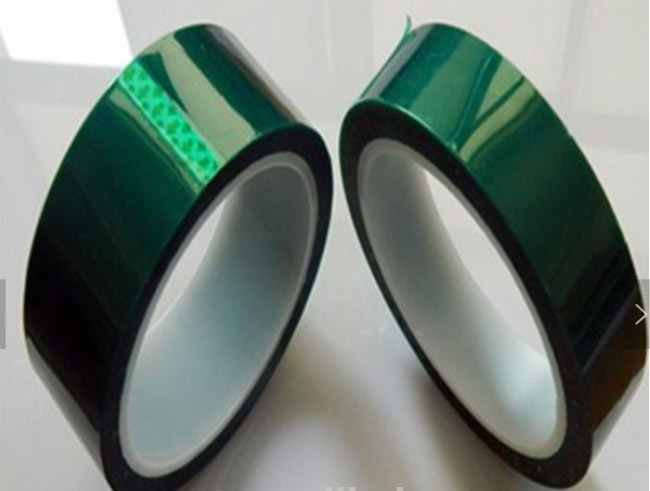
Item No.:IT-9000
Application: Use on Manufacturing of printed circuit board
Advantages
- Excellent resistance to heat, solvents and radiation, as well as good performance in electrical insulation
- Used as masking protection on printed circuit board during the wave soldering process and various high-temperature processing. Free of adhesive residue.
- Complying with ROHS standard
Standard length: 33m 66m
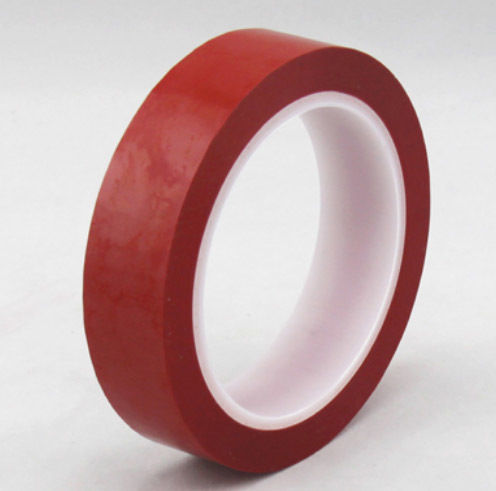
Item No.:ET-9000
Application: Use on manufacturing of printed circuit board
Advantages:
- High resistance to heat and chemicals; Good performance in electrical insulation, adhesion and clinging as well
- Mainly used on the electroplating and soldering process of printed circuit board: Providing protection from pollutants like electroplating liquid and vapor and masking protection during the soldering process.
- Complying with ROHS standard
Standard length: 33m 66m
Item No.:ME-9000
Application: Use on manufacturing of printed circuit board
Advantages
- High resistance to heat and solvent; Good performance in adhesion and clinging; free of adhesive residue and permeating of tin.
- Masking protection during soldering process of printed circuit board and various high-temperature processing. Also ideal for the purpose of indication
- Complied to ROHS and restriction on halogen standard
Standard length: 33m
Reliable High-Temperature Protection
Our silicone adhesive polyimide tape withstands temperatures up to 260C, making it a superior choice for wave soldering and PCB masking. It efficiently shields sensitive components and circuits from heat and solder while ensuring clean removal without residue.
Versatile Sizing and Customization
Available in a range of standard widths6 mm, 12 mm, 24 mm, 50 mmor tailored to your specifications, this tape suits diverse PCB panel sizes and manufacturing requirements. Each roll measures 33 meters, supporting both small-scale and high-volume production.
Exceptional Durability and Safety
The tape boasts high tensile strength, excellent peel adhesion, and UL94 V-0 flame retardancy. Its polyimide film base ensures robust insulation, while resistance to solvents and high voltage endurance make it reliable for electronic and industrial uses.
FAQs of Tape for PCB manufacturing:
Q: How is this silicone adhesive tape applied in PCB manufacturing processes?
A: This tape is typically used for masking and insulation tasks during PCB manufacturing, especially in wave soldering and coil insulation. It adheres securely to circuit boards or components, protecting them from solder, heat, and chemicals, and peels away cleanly after processing.Q: What benefits does silicone adhesive tape offer over acrylic-based alternatives for PCB masking?
A: Silicone adhesive provides superior temperature resistance (up to 260C) and excellent peel strength, allowing for residue-free removal even after exposure to high heat. It also demonstrates excellent solvent resistance, ensuring effective performance in demanding PCB environments.Q: When should I replace or dispose of unused tape rolls?
A: For optimal performance, use tape within 12 months of purchase and store it between 10-30C. If the tape has passed its shelf life or shows any signs of degradation, such as reduced adhesion or hardening, it should be replaced.Q: Where can this tape be used besides wave soldering and PCB masking?
A: In addition to PCB-related processes, this tape is suitable for coil insulation, high-temperature masking in electrical assemblies, and applications requiring high insulation resistance and flame retardancy (UL94 V-0 standard).Q: What is the process for ordering custom width or panel size for this tape?
A: Custom width or panel size orders can be fulfilled by contacting us with your specific requirements. Our team will ensure the tape is slit or cut to your requested dimensions, facilitating streamlined integration into your manufacturing workflow.Q: How does the tapes flame resistance benefit users in electronics production?
A: The tapes UL94 V-0 flame-retardant rating ensures it self-extinguishes quickly if exposed to flame, providing an added layer of safety during high-temperature PCB manufacturing and reducing the risk of fire-related damages.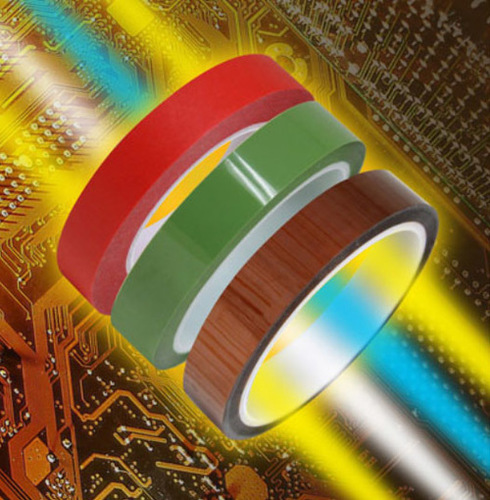
Tell us about your requirement

Price:
Quantity
Select Unit
- 50
- 100
- 200
- 250
- 500
- 1000+
Additional detail
Mobile number
Email

More Products in PCB Consumables Category
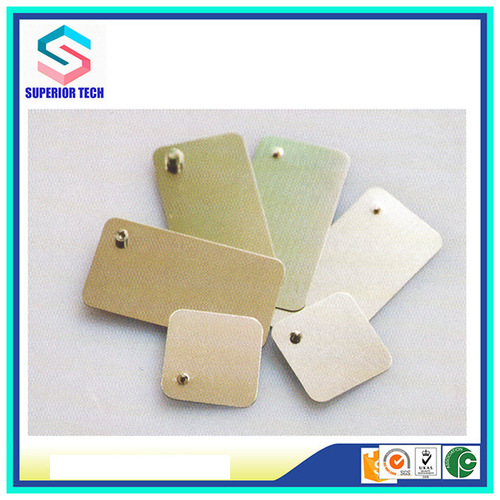
Single & Double Side Guide Pin
Product Type : Guide Pin
Base Material : Metal, Other
Color : Gold Silver White, Other
Warranty : Standard warranty policy
Surface Finish : Other, Smooth/Polished
Panel Size : Varied (small panels)
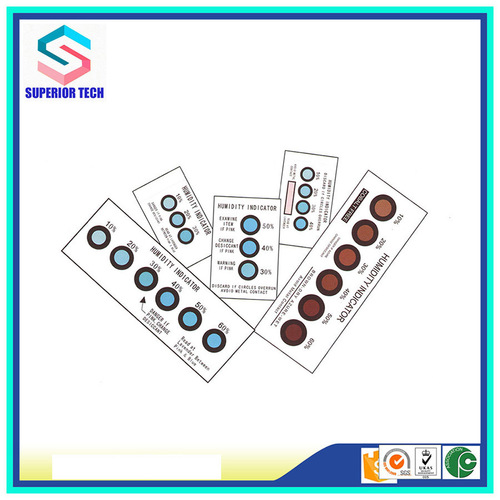
Humidity Card
Product Type : Humidity Indicator Card
Base Material : Other, Paperbased substrate
Color : Other , White with colored indicators
Warranty : Depends on manufacturer
Surface Finish : Other, Printed surface with colored indicators
Panel Size : Variable Compact
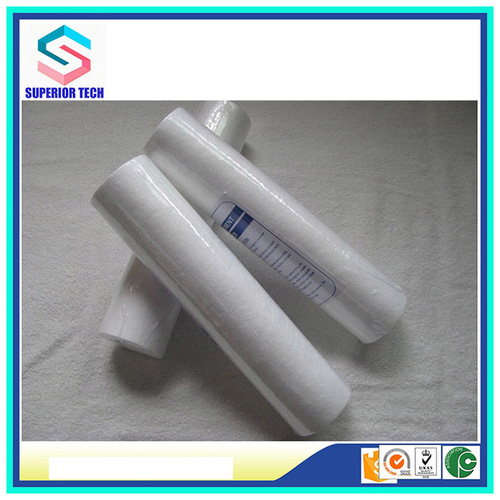
PP Filter
Product Type : PP Filter
Base Material : Polypropylene, Other
Color : White
Warranty : As per manufacturer specifications
Panel Size : Standard (based on product dimensions)
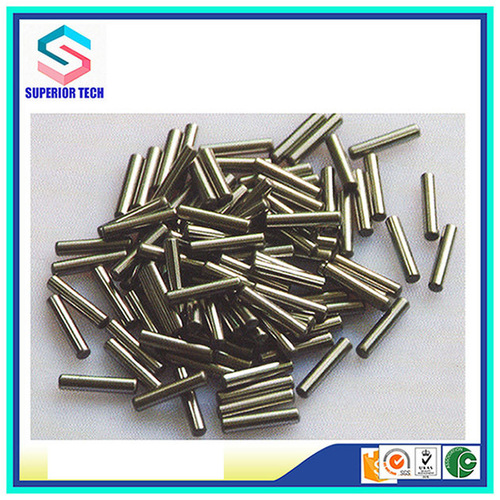
Positioning Pin
Product Type : Positioning Pin
Base Material : Other, Metal
Color : Other , Silver
Warranty : 1 year
Surface Finish : Other, Polished

Contact Details
- Room 101 Of Building 8, West 3 Street Of Zhuzhai New District Xiaolong Village, Shiji Town, Panyu, Guangzhou - 511450, Guangdong, China
- Phone :86-20-34559683
 Send Inquiry
 |
GUANGZHOU SUPERIOR TECH CO. LTD.
All Rights Reserved.(Terms of Use) Developed and Managed by Infocom Network Private Limited. |
